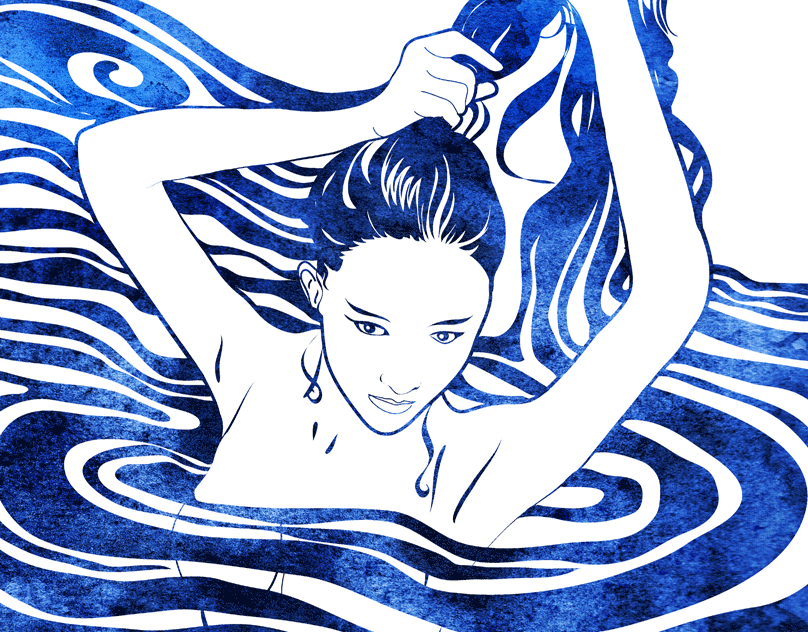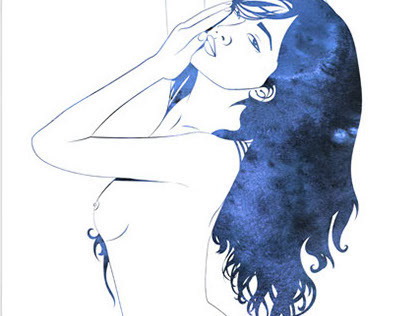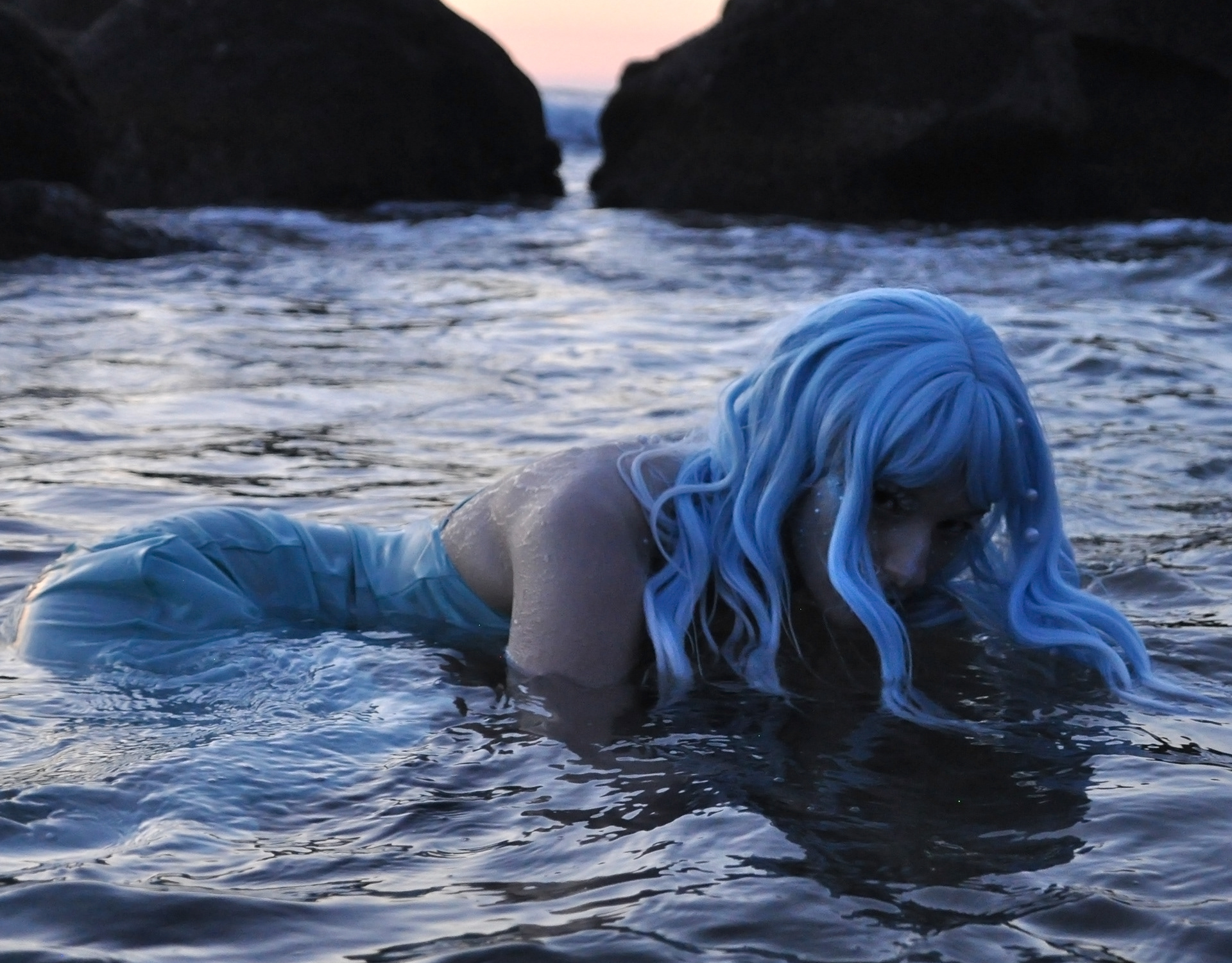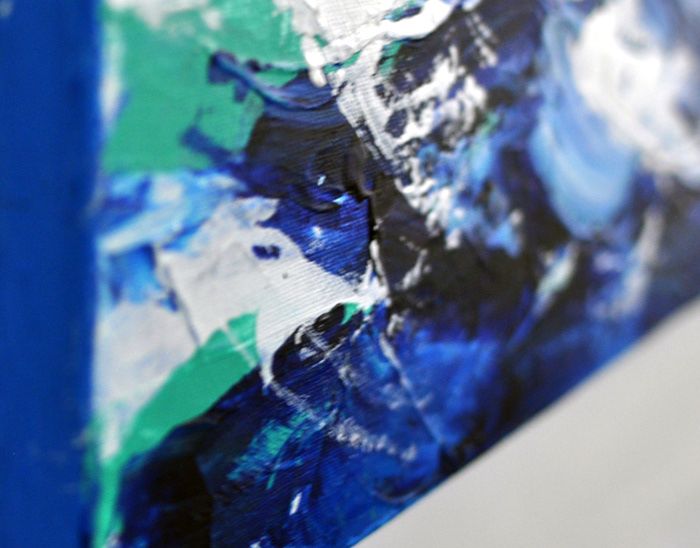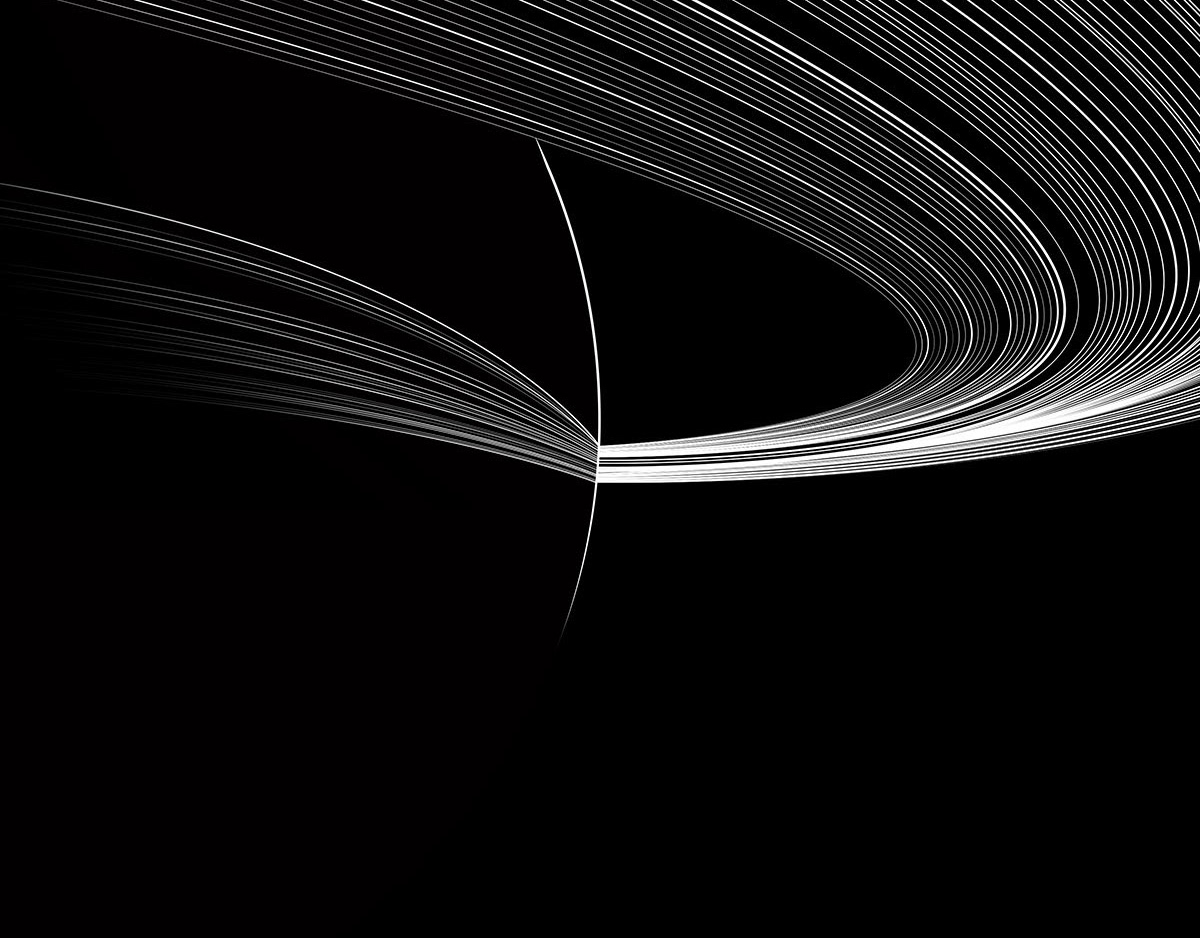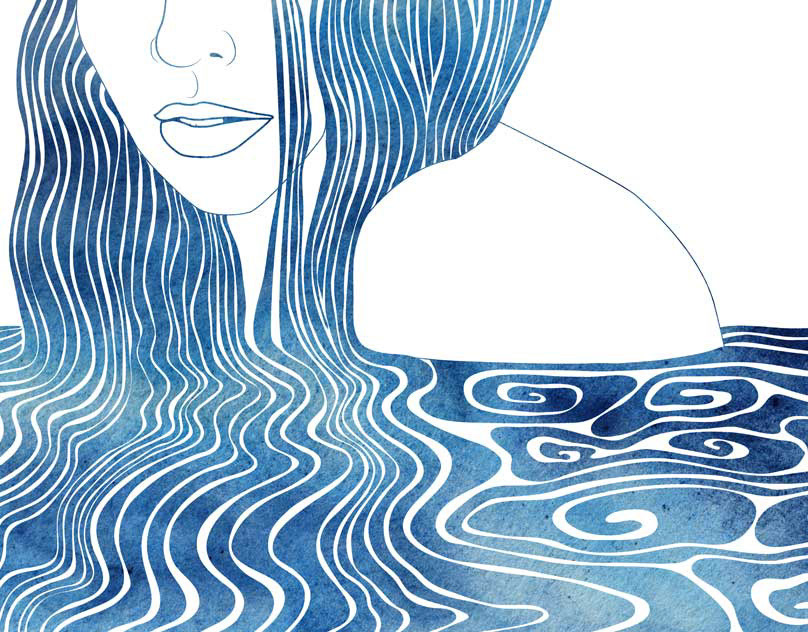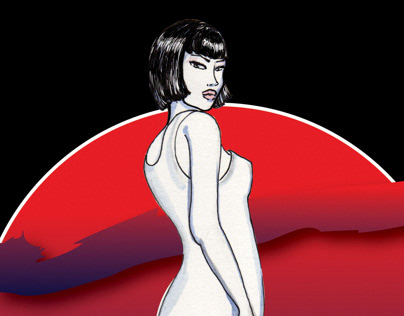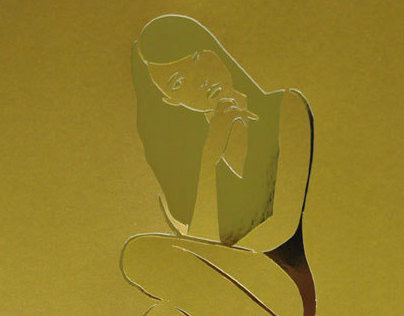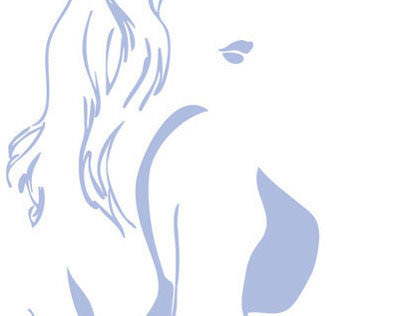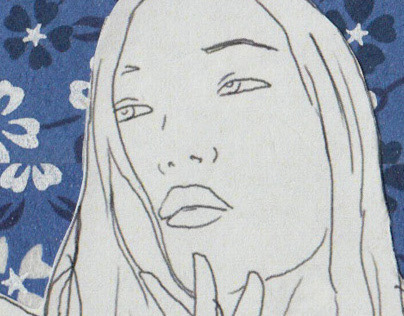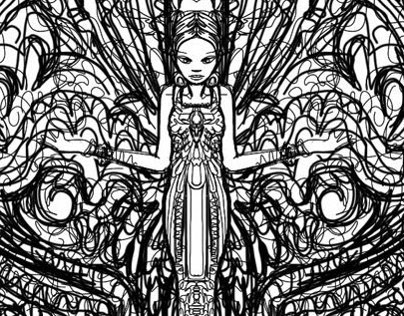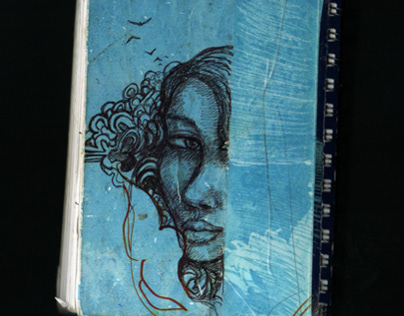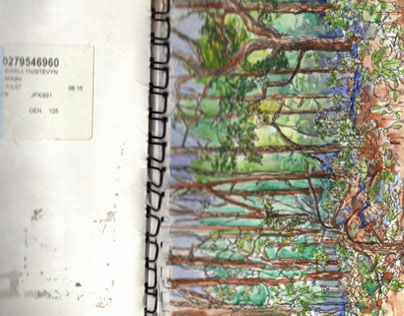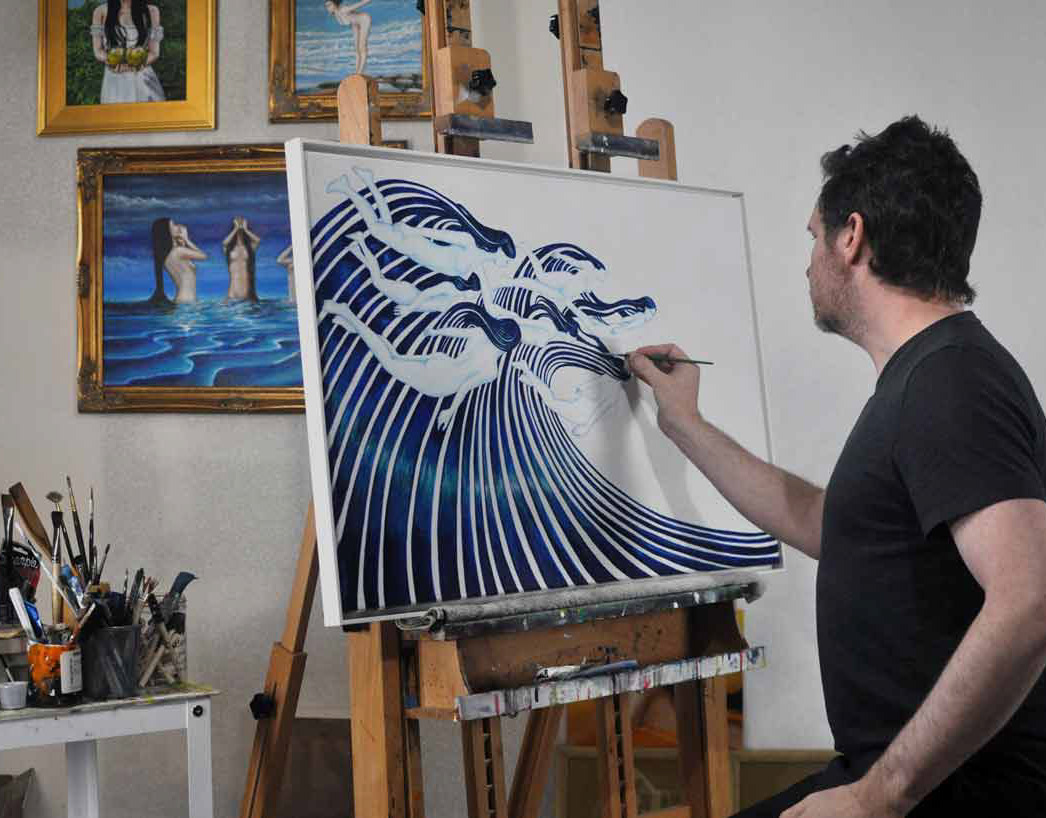
Over the past few weeks I have been working intermittently on my graphic novel Two Machines. The original story began in 1997 on the way home to the States after living for a month in Aix-En Provence, France. The story started as I began drawing the books first panels on the airplane ride home. Many years later, I completed the hand-colored graphic novel using watercolors, pastels, and pen and ink as a medium. Looking at it now, I see a multitude of things I would change or do differently. However, I am attempting to stay true to the original idea, to keep it fresh as it was then. Additionally, I have too many other ideas I want to explore that are more valid to me at this point.
As time passes, one’s ideas of beauty and art changes dramatically. In my case, I value the simplification of line and color. When I look at the book now, the quality of the work still lacks the graphic punch that it needs to be worthy of a publisher to look at. I have been methodically going through each page in photoshop with the Wacom Cintiq 12WX tablet. Each panel is being embellished by adding stronger contrast to the original work, while retaining it’s integrity. While it is an improvement, the reality is that it still has a way to go. I spent a solid 6 hours last week on 8 pages, simply adding to what was already there. At times I feel as if I am merely dressing up a window. This can be discouraging, but immersing oneself entirely in the project once again adds new life and vigor to the work.
The plan is that is will have a much more cohesive look to it, as the continuity is important to the story. While changes of style and medium are prevalent, I want to make it less jarring for the reader. This is one of a few projects I hope to finish by this year, and put out into the world. This graphic novel also served as an inspiration to the short film Sister Vengeance, which I shot in New York last year, and I am still editing.
With both of these projects, being so personal and precious to me, I keep striving for this ideal of perfection. What I have learned from all this is that nothing is perfect. There will always be some inherent flaw, and one must come to terms with that. In a way, those thoughts are liberating. I do not see this an an excuse to create sub-par work, quite the contrary. The medium defines ones ability to accurately depict their vision and make it manifest on the page or canvas. Another aspect of creating anything is to give yourself a bit of time to take step back from the work and give it a few days (or weeks) to allow other ideas to germinate. I find it good to look at a project again, more objectively as time has passed.
I am wary of too much criticism at the beginning of any project, as my belief is that you should hunker down and complete the work, or make a sizable dent before showing it to others. Getting criticism and commentary from the ouside work is essential, yet should never dictate the final product. I had one person suggest I should re-do the entire book, and make an oil painting for each panel. If I took that advice, I would be working on this for the next ten years. While it was a good suggestion, it was not realistic for me to do that, nor did I want to invest my life in one singular project.
Criticism can be good, if you try not to involve your emotions in what is being said. It is there to make your work better. Criticism is also based on the viewers own personal concept of aesthetics, which may differ greatly for your own. That being said, one must stay true to their vision without compromise, and make adjustments and changes as necessary that make the work resonate.